Why Food Sticks to the Grill Grates — and the 3 Fixes That Actually Work
Quick Answer: Food sticks to grill grates mainly from insufficient preheating, cold or unoiled grates, or flipping too early before a natural release forms. Preheat 10-15 minutes, oil the food (not just the grates), and wait for the sear to release on its own.
You lift the spatula and half your salmon stays behind on the grates. That’s almost never a bad piece of fish — it’s one of three fixable technique gaps that show up over and over in home grilling.

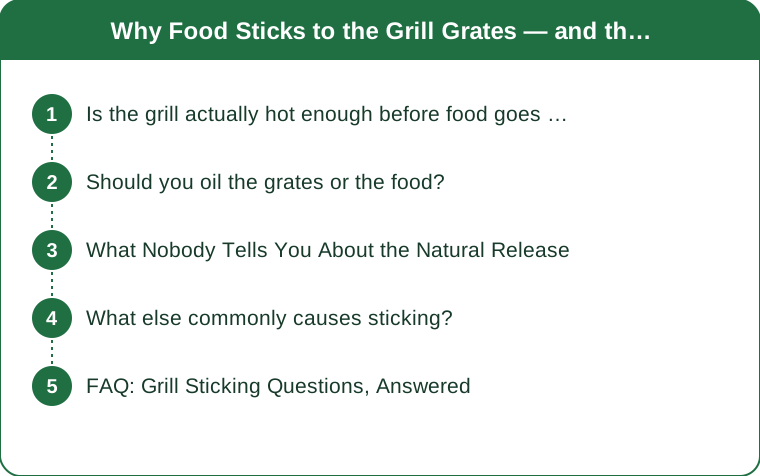
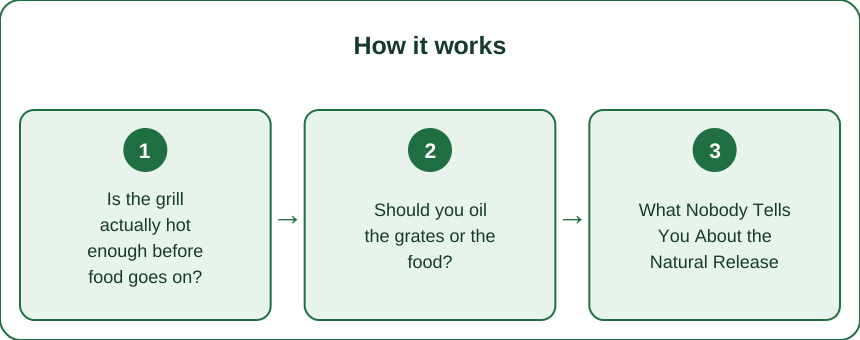
Is the grill actually hot enough before food goes on?
Cold or under-preheated grates are the single biggest cause of sticking. Grates need 10-15 minutes of preheating to reach a temperature where proteins sear and release naturally rather than bonding to the metal.
A quick test: hold your hand 5 inches above the grate — if you can’t hold it there more than 2-3 seconds, the grill is ready for most proteins.
Should you oil the grates or the food?
Oil the food, not just the grates — oiling grates alone burns off within minutes of high heat and does little by the time food actually goes on. A light coat of oil directly on the protein or vegetable creates a more durable barrier that survives the initial sear.
For extra-sticky items like fish or delicate vegetables, a light oil wipe on the grates right before food goes on, in addition to oiled food, gives the best combined protection.

What Nobody Tells You About the Natural Release
Here’s the part that trips up most grillers: properly seared food releases from the grates on its own when the Maillard crust has fully formed — usually 3-5 minutes for most proteins at proper heat, longer for thicker cuts.
Flipping before that release happens is what tears the surface and leaves food stuck behind. If a piece resists lifting, it almost always needs another minute, not more force.
What else commonly causes sticking?
- Dirty grates: leftover charred residue from a previous session creates an uneven, sticky surface — clean grates thoroughly after preheating, before food goes on
- Wet food surface: pat proteins dry before oiling; excess moisture steams instead of sears, delaying the release
- Delicate items without support: fish skin and thin vegetables benefit from a grill basket or foil with holes until you’re confident in timing
FAQ: Grill Sticking Questions, Answered
How long should I preheat a gas grill before cooking?
10-15 minutes with the lid closed, which lets grates reach an even, high enough temperature across the whole surface.
Does grill grate material matter for sticking?
Yes — cast iron grates hold heat well but need more seasoning attention; stainless steel heats faster but can be less naturally non-stick without proper technique.
Why does my fish stick even when I follow all these steps?
Fish skin is especially delicate — try starting skin-side down on well-oiled, fully preheated grates and resist flipping until the skin visibly releases, usually 4-6 minutes depending on thickness.
TL;DR:
- Preheat grates 10-15 minutes — cold grates are the top cause of sticking
- Oil the food directly, not just the grates, for protection that survives the sear
- Wait for the natural release (3-5 minutes) instead of forcing an early flip
- Clean grates before cooking and pat food dry to help the sear form properly
Sticking is a timing and heat problem, not a bad-luck problem — fix those two and most of it disappears.
Keep Reading
This article is for general informational purposes only and is not medical advice. Always consult a qualified health professional for guidance specific to you.