Why Charcoal Burns Faster When the Nights Get Cool
Quick Answer: Cool air is denser than warm air, so more oxygen passes through the same open vent. Charcoal burns hotter and faster as a result, and a stronger temperature difference between the grill and the outside air increases the chimney draft on top of that. Close your vents further than you did in summer and expect to add fuel sooner on long cooks.
The grill did not change. The air did.
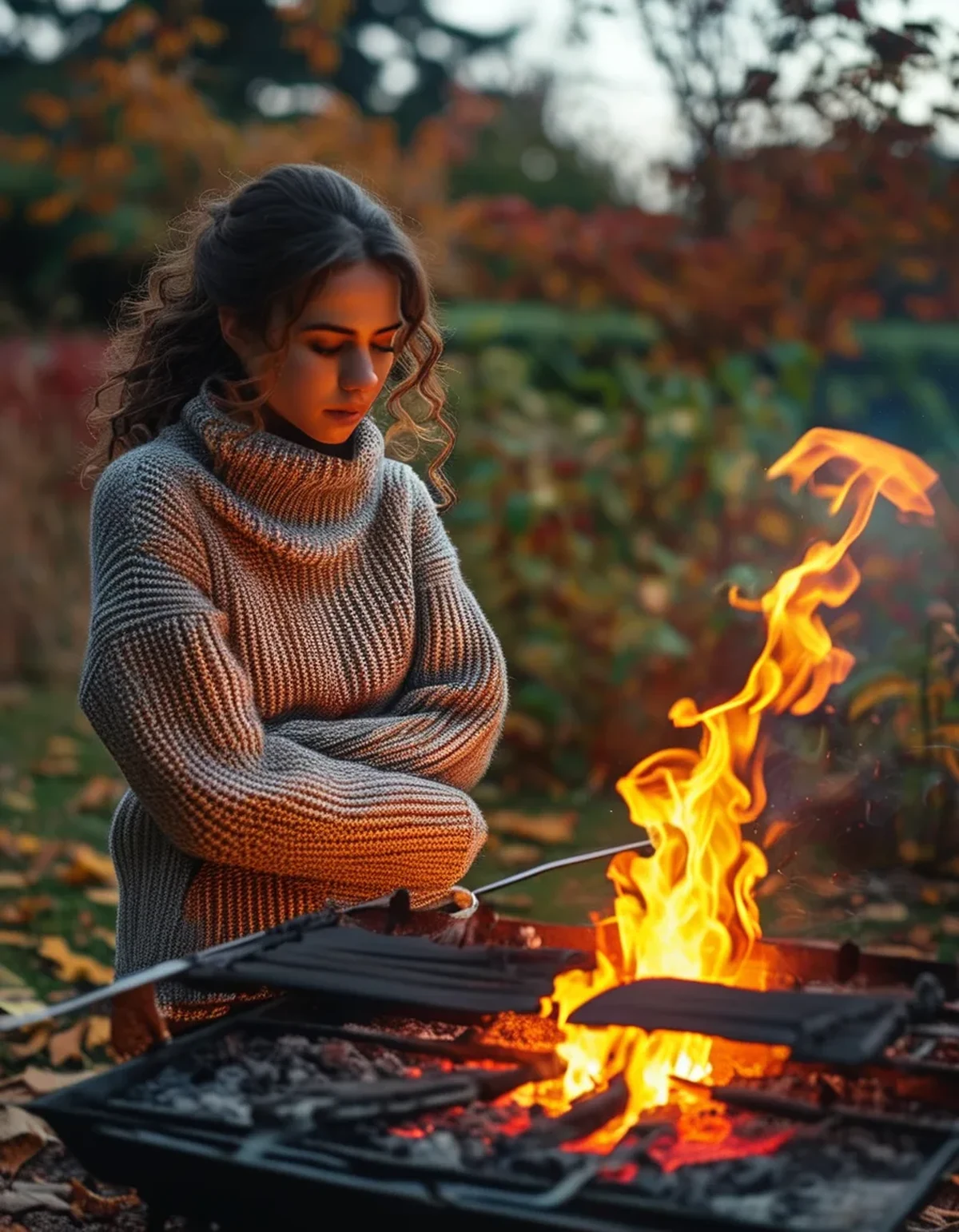
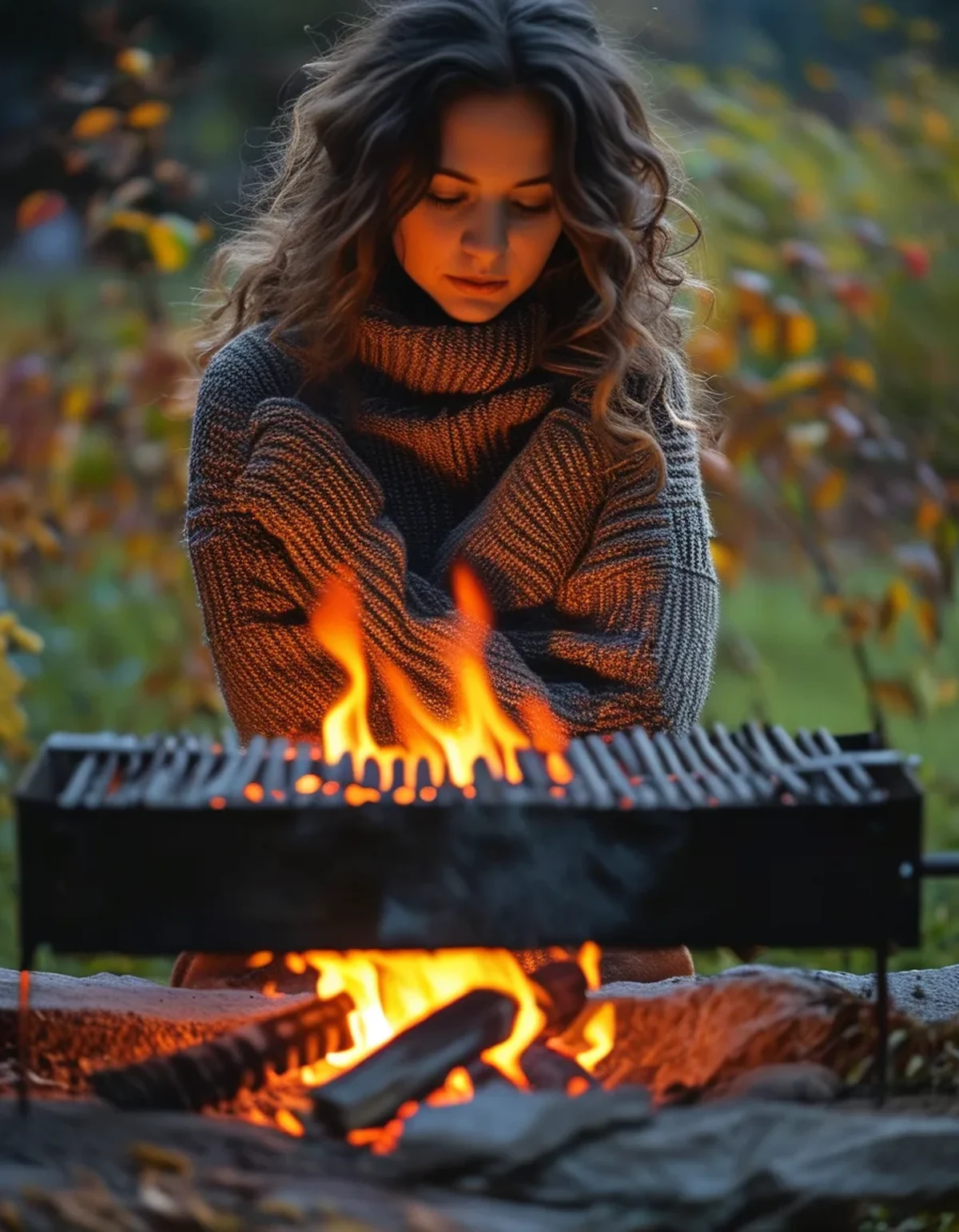
What exactly is happening to the fire?
Cold air carries more oxygen per unit volume. Air at 10C is roughly 7 percent denser than air at 30C, so the same vent opening delivers meaningfully more oxygen to the coals. More oxygen means a faster, hotter burn.
Draft increases with the temperature difference. A charcoal grill works like a chimney: hot gas rises and pulls fresh air in through the bottom vent. The bigger the gap between the fire and the ambient air, the stronger that pull. In autumn the gap is larger, so the draft is stronger.
Wind is the bigger variable in practice. Autumn is windier than midsummer in most places, and wind across the bottom vent can double the effective airflow. Grills positioned in the open run dramatically hotter and less predictably.
Meanwhile the grill body loses heat faster. A thin-walled kettle in cold air radiates heat away, so the fire has to work harder to hold the same cooking temperature — which burns still more fuel. Both effects push in the same direction.
How should the setup change?
Start with the bottom vent about a third less open than your summer setting. For most kettle grills that means roughly one-third open where you used to run half. Adjust from there.
Control with the bottom vent, not the top. The bottom vent regulates how much oxygen reaches the fire; the top vent mostly controls how the heat moves through the chamber. Closing the top vent to choke a fire produces sooty smoke and unpleasant flavour.
Shield the grill from wind. Moving it against a wall or fence, with the bottom vent facing away from the prevailing wind, does more for temperature stability than any vent adjustment.
Add 15 to 20 percent more fuel for long cooks. A brisket or pork shoulder that took one basket of charcoal in July will need more in October, and running out at hour six is a miserable way to learn that.
Preheat longer, not hotter. Cold grates and a cold grill body absorb heat from the fire. Ten to fifteen minutes of preheating rather than five gives a more stable cooking surface and better searing.
Myth vs Fact: cold weather grilling
Myth: Food takes longer to cook in cold weather. Fact: Once the grill is at temperature, cooking times are essentially the same. What takes longer is getting there and holding it — the fuel cost rises, not the cook time.
Myth: You should open the lid to check more often in autumn. Fact: The opposite. Each lid opening costs more heat when it is cold outside, and recovery takes longer. Check less, not more.
Myth: Gas grills are unaffected. Fact: Propane vaporises less readily in the cold, so output drops as the tank gets cold, and the effect is worse with a nearly empty tank. Gas grills lose more performance in genuine cold than charcoal does.
Myth: Lump charcoal and briquettes behave the same. Fact: Lump lights faster and burns hotter but less evenly, which amplifies the autumn effect. Briquettes are more predictable for long autumn cooks.
Myth: A windbreak is only for comfort. Fact: It is the single most effective temperature-control tool in autumn grilling, and it matters more than vent precision.
What changes about the food itself?
Resting food cools much faster. A steak resting on a plate outdoors at 12C loses heat several times faster than at 28C. Rest indoors, or cover it, or shorten the rest.
Fat firms up sooner. Rendered fat that stayed liquid and glossy in summer congeals visibly as the plate cools, which affects both texture and appearance. Serving on warmed plates makes a genuine difference.
Cold meat straight from the fridge is a bigger problem now. The temperature gap between the food and the grill is larger, so the exterior overcooks before the centre catches up. Twenty to thirty minutes at room temperature before cooking matters more than it did in July.
Smoke behaves differently. Cooler, denser air holds smoke lower and closer to the grill, which produces a slightly stronger smoke flavour for the same amount of wood. Use a little less wood than the summer amount.
FAQ: Autumn Grilling Questions, Answered
Do I need to change my charcoal?
Not necessarily, but briquettes give more predictable results than lump in windy autumn conditions because they burn more evenly and are less sensitive to airflow spikes.
Why is my grill running at 250C when the vents are barely open?
Almost certainly wind across the bottom vent or a gap in the lid seal. Check the seal and reposition the grill before adjusting anything else.
Is it worth grilling in the rain?
It works, but expect to use noticeably more fuel — rain cools the grill body constantly. A covered position, with proper ventilation and never indoors or in a garage, is the practical answer.
TL;DR:
- Cool air is denser, so the same vent opening delivers more oxygen and a hotter, faster burn.
- A larger temperature gap increases chimney draft, and autumn wind amplifies both effects.
- Open the bottom vent roughly a third less than your summer setting and control from there.
- Add 15 to 20 percent more fuel for long cooks, and preheat for ten to fifteen minutes.
- Shield from wind, rest food indoors, and use slightly less smoking wood than in summer.
Autumn is the best grilling weather there is. It just costs more charcoal.
Keep Reading
This article is for general informational purposes only and is not medical advice. Always consult a qualified health professional for guidance specific to you.