The Restaurant Grilling Trick That Fixes Overcooked Edges Every Time
Grilling a thick cut hot-side-first almost guarantees a gray overcooked band under the crust before the center catches up. Reverse searing flips the order — low heat first, sear last — and it’s the single change that fixes uneven doneness more reliably than any marinade or grate adjustment.
Why the Traditional Order Backfires
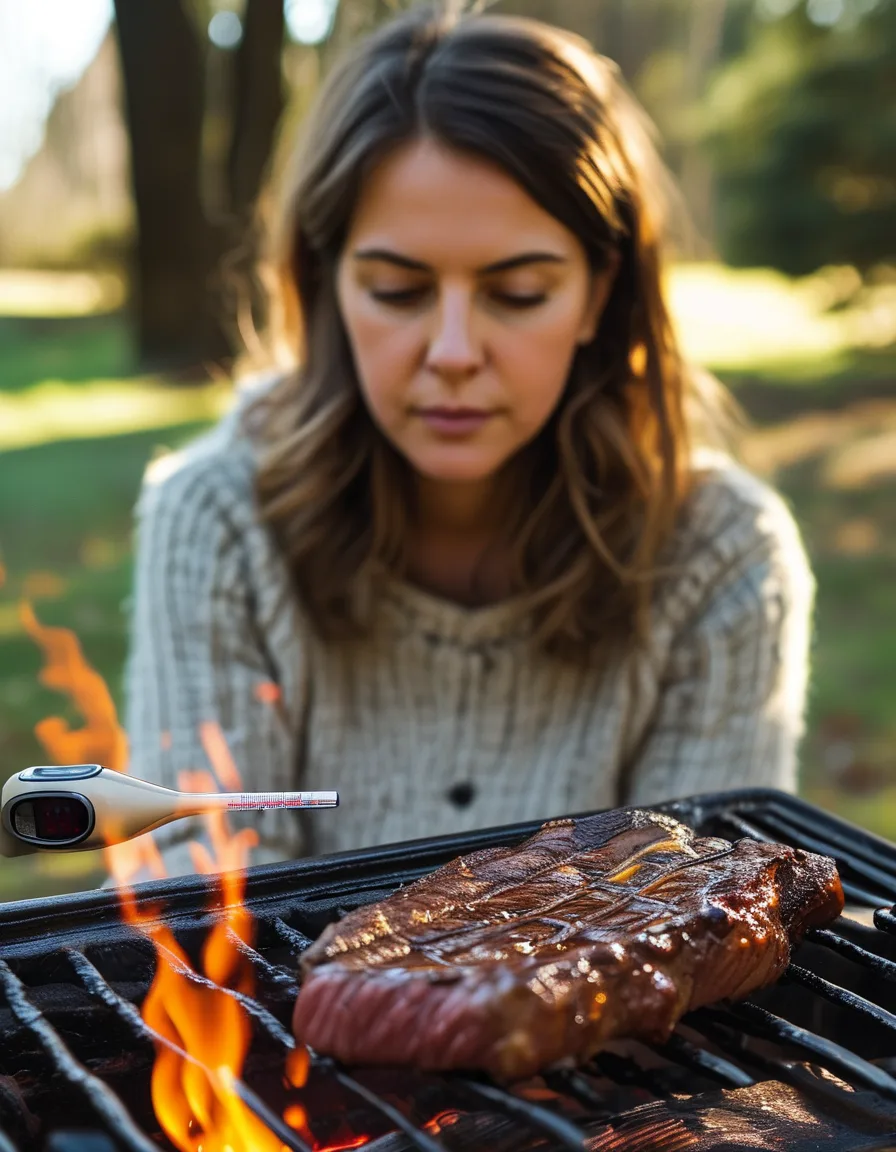
The core problem: the the-heat-gradient-issue (starting thick cuts over direct high heat creating a steep temperature gradient, cooking the exterior well past done before the center reaches target), the the-crust-timing-mismatch (a proper sear needing only a couple of minutes per side, which is far shorter than the time a thick cut needs to reach safe internal temperature), the the-carryover-miscalculation (high-heat-first cuts continuing to cook aggressively off the grill from residual heat, often overshooting the intended doneness after resting).
How Reverse Searing Actually Works
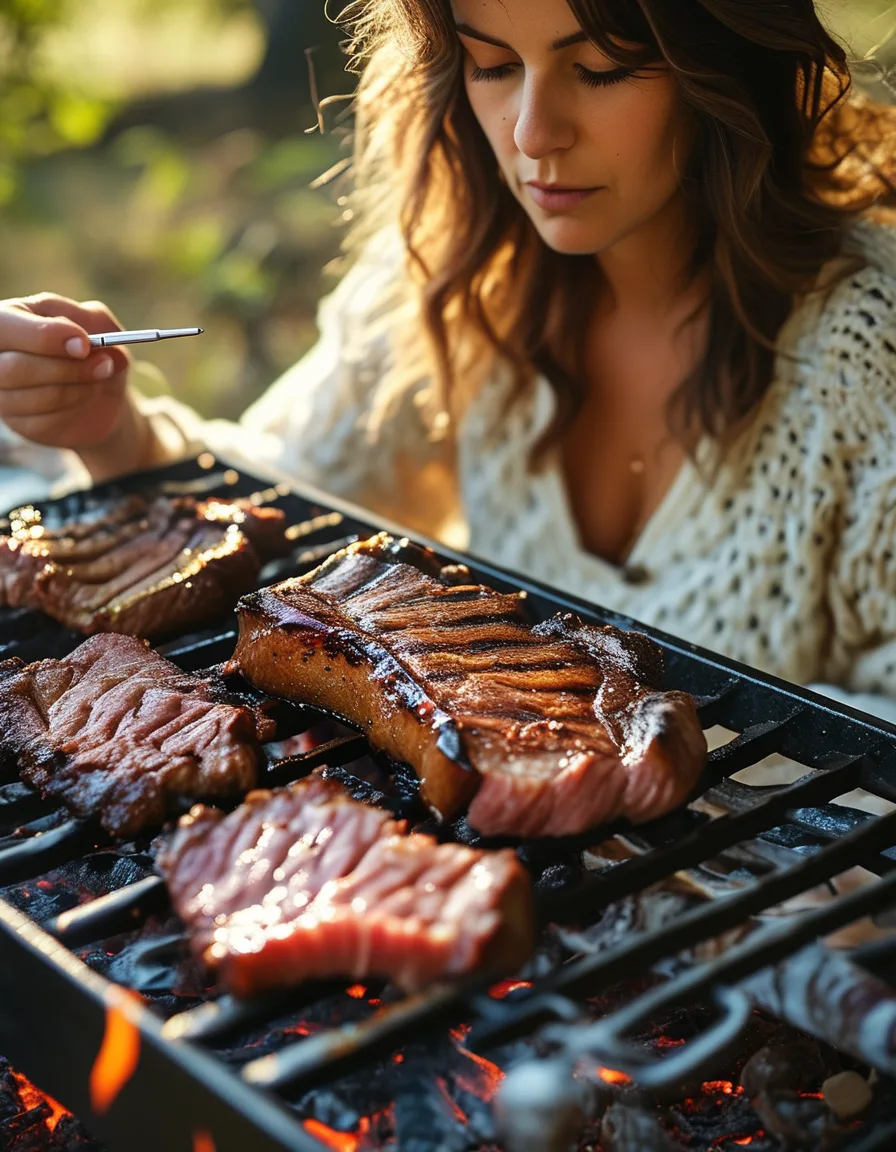
The mechanism: the the-low-and-slow-first (cooking the cut over indirect low heat until it’s close to target temperature, which brings the whole piece up evenly without ever building a gray band), the the-dry-surface-before-sear (patting the surface dry after the slow phase, since a dry exterior is what allows a fast, deep sear rather than a steamed one), the the-short-hot-finish (finishing over direct high heat for under a minute per side purely for color and crust, not for cooking through).
Applying It Without Special Gear
The practical setup: the the-two-zone-fire-is-enough (a simple two-zone setup — coals banked to one side, or one burner off on a gas grill — being sufficient to run the whole method), the the-thermometer-is-non-negotiable (an instant-read thermometer replacing guesswork entirely, since the visual cues that work for thin cuts are unreliable on thick ones), and the frame (low heat to temperature, dry the surface, then a fast hot sear is the fix for the gray band)).
The gray overcooked band under a steak’s crust isn’t a fluke of bad luck — it’s the predictable result of starting thick cuts over high heat, which builds a steep temperature gradient and finishes the exterior long before the center catches up. Reverse searing solves this by flipping the sequence: bring the cut up to near its target temperature over low, indirect heat first, then finish with a fast, hot sear of under a minute per side purely for color and crust. The setup needs nothing more than a basic two-zone fire and an instant-read thermometer, since thick cuts don’t give the same reliable visual doneness cues that thin ones do. It’s a sequencing fix, not a gear upgrade: The Restaurant Grilling Trick That Fixes Overcooked Edges Every Time.
Keep Reading
This article is for general informational purposes only and is not medical advice. Always consult a qualified health professional for guidance specific to you.