Why Your Grill Thermometer Keeps Lying to You
Quick Answer: Most bad thermometer readings come from touching bone, fat, or the grill grate itself, not a broken probe. Center the tip in the thickest part of the meat, away from fat pockets, and you’ll get numbers you can trust.
You pull the steak at what the thermometer swears is 135°F, slice in, and it’s still cold and purple in the middle. It’s not your grill’s fault, and it’s probably not the thermometer’s fault either.
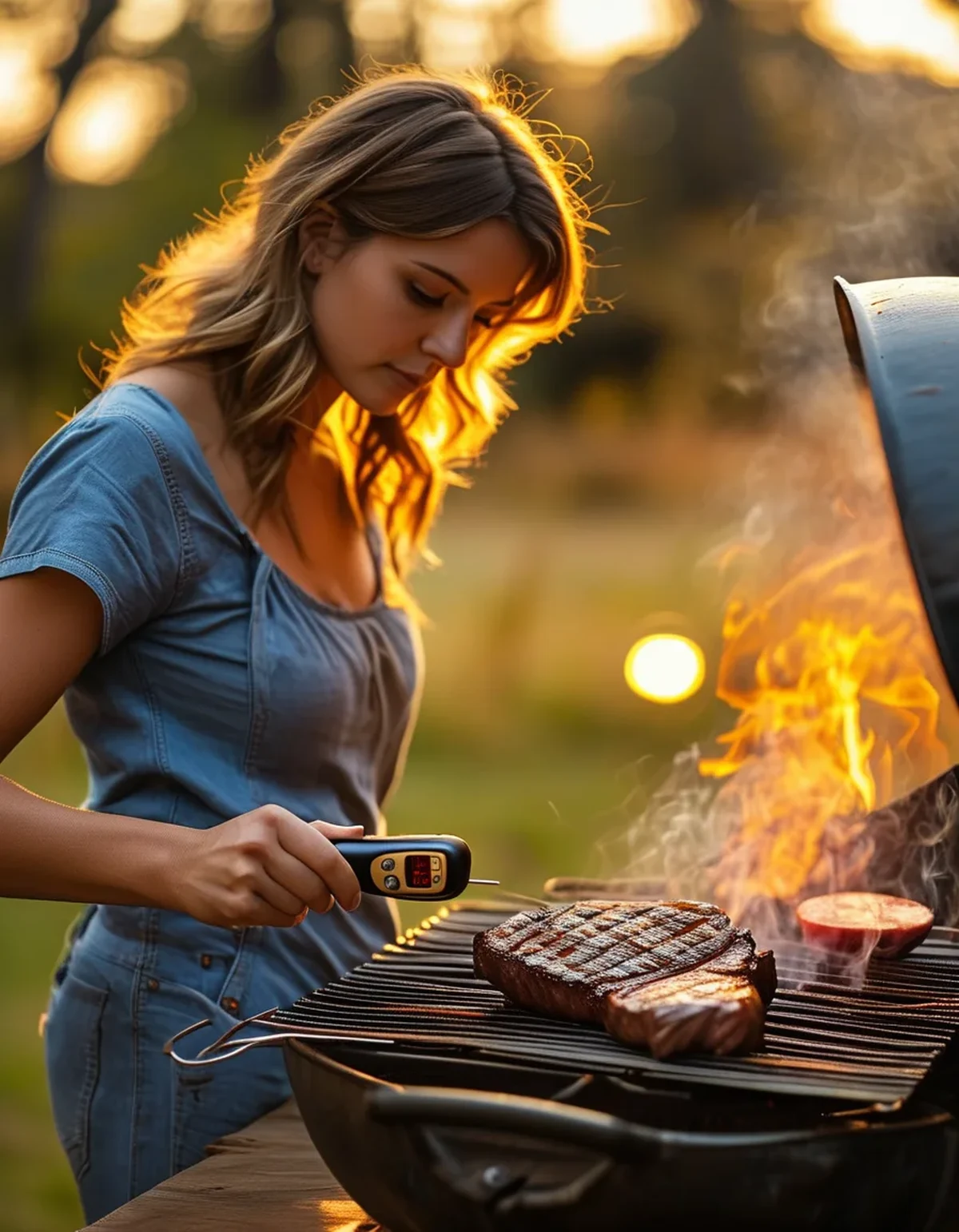
Where exactly should the probe tip sit?
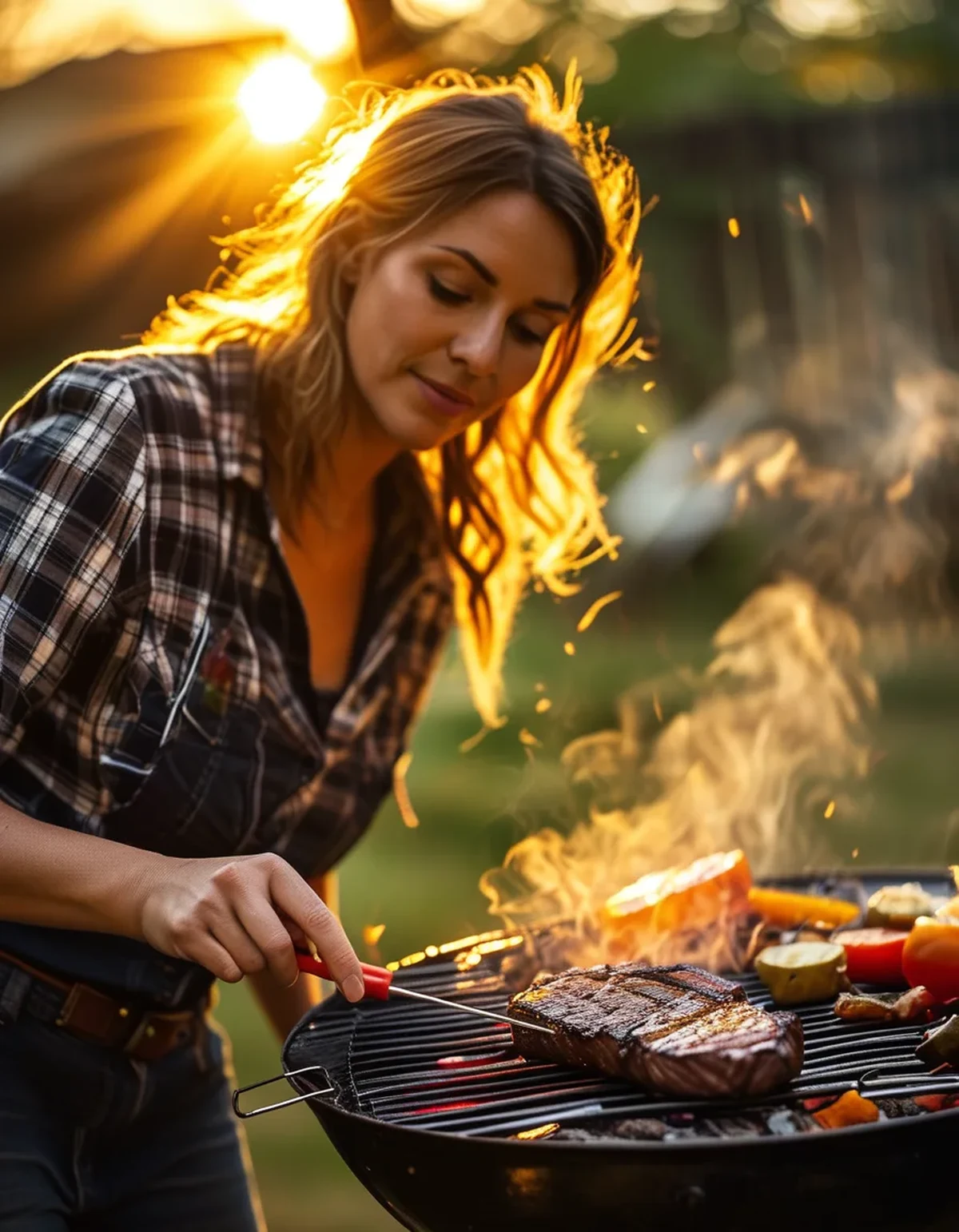
The tip needs to land in the geometric center of the thickest part of the cut, roughly halfway through its depth. Fat, bone, and gristle all read differently than muscle — bone conducts heat faster and gives a falsely high number, while a fat pocket insulates and gives a falsely low one.
For something oddly shaped like a chicken thigh, angle the probe in sideways rather than straight down so more of the tip sits in actual meat rather than skating along a bone.
Why does my reading jump around after I pull it out?
Digital probes need a few seconds to stabilize once they hit a new temperature zone, so pulling and reading instantly gives you a number still climbing or falling toward the true value. Wait 3-5 seconds before trusting the display.
This is also why fast-read thermometers are worth the extra $15-20 over the bargain bin ones — a slow probe tempts you to read too early.
Myth vs Fact: grill thermometer edition
Myth: the built-in lid thermometer tells you the meat’s temperature. Fact: it only tells you ambient grill temperature, often 20-40°F off from what’s happening at grate level depending on where the lid sensor sits.
Myth: touching the grate with the probe doesn’t matter. Fact: metal grates run hotter than the air around them, so a probe resting against one reads high even if the food itself isn’t done.
Myth: one check is enough. Fact: check in two spots on thicker cuts, since uneven grill heat means one side can run 10-15°F hotter than the other.
How do I calibrate a thermometer to make sure it’s not just broken?
Fill a glass with ice and a splash of water, stir, and let the probe sit in it for 30 seconds — it should read 32°F. If it’s off by more than 2 degrees, most digital models have a small calibration screw or button; check the manual for your specific one.
Do this check every few months, especially after a thermometer gets dropped, since the internal sensor can shift out of alignment.
FAQ: Grill Thermometer Questions, Answered
Can I leave a probe thermometer in the meat the whole time it’s grilling?
Wired leave-in probes are designed for exactly this and give you a live readout without opening the lid repeatedly, which also keeps heat from escaping. Instant-read probes shouldn’t stay in over open flame since the display and cable aren’t built for sustained direct heat.
Why does chicken need a higher target temp than steak?
Chicken carries a higher risk of harmful bacteria like salmonella, so USDA guidance sets 165°F as the safe minimum, while beef’s lower risk profile allows lower target temps for cuts you want pink in the middle.
Does resting time change the final temperature?
Yes — carryover cooking can raise internal temp another 5-10°F after you pull meat off the grill, so pulling a few degrees early and resting under foil gets you to your true target without overshooting.
TL;DR:
- Center the probe tip in the thickest part of the meat, avoiding bone and fat pockets
- Wait 3-5 seconds after insertion for the reading to stabilize
- Calibrate in ice water every few months to catch drift
- Account for 5-10°F of carryover cooking after you pull food off the grate
A cheap thermometer used correctly beats an expensive one placed carelessly, so the placement habit matters more than the price tag.
Keep Reading
This article is for general informational purposes only and is not medical advice. Always consult a qualified health professional for guidance specific to you.